
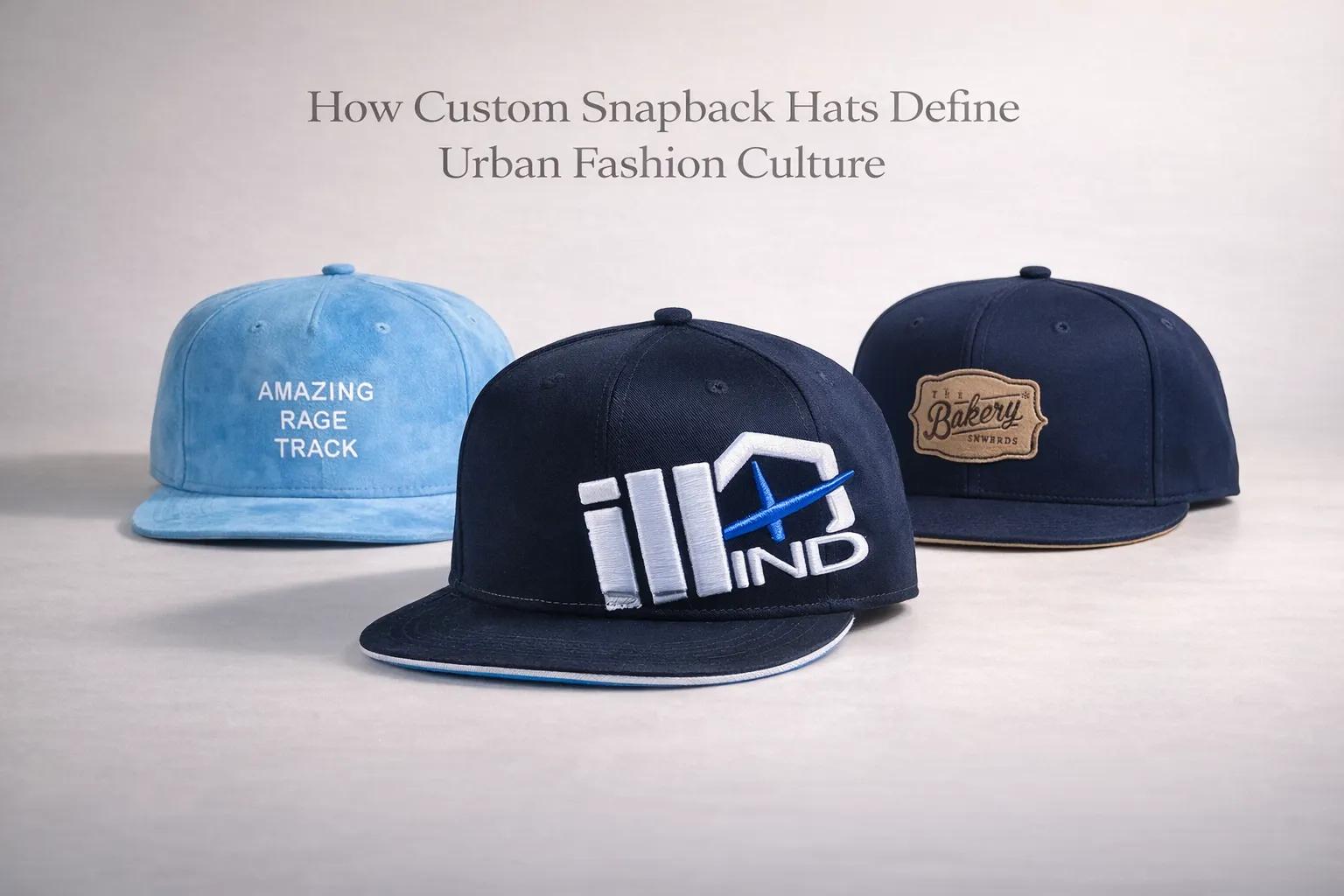
Urban fashion has always been a direct reflection of social identity, community values, and cultural expression. Among the many accessories that have shaped this style space, custom snapback hats stand out as one of the most consistent and recognizable symbols. From city streets to music stages, these caps have carried meaning far beyond their basic function as headwear. They serve as markers of belonging, artistic outlets, and tools for personal and organizational branding.
This article examines how custom snapback hats have become a defining element of urban fashion culture, the role they play in group identity, their connection to branding and business, and the ways in which they continue to shape how individuals and organizations present themselves in public spaces.
The Origins of Snapback Hats in Urban Culture
From Athletic Gear to Street Style
The snapback hat traces its origins to the world of professional sports. Baseball teams adopted structured caps with adjustable plastic closures, known as snapbacks, because they offered a universal fit without requiring custom sizing. These caps were practical and durable, making them popular among athletes and fans alike.
During the late 1980s and early 1990s, hip hop artists and urban youth in cities across the United States began wearing snapback caps as part of their everyday style. The hat moved off the playing field and onto the street, taking on new meaning in the process. Wearing a team logo became less about sports loyalty and more about personal style and cultural affiliation. This shift marked the beginning of the snapback as a symbol of urban identity.
The Rise of Customization
As the snapback became embedded in urban culture, the demand for personalized versions grew steadily. People wanted caps that reflected their neighborhoods, music groups, creative collectives, and individual personalities. Screen printing, embroidery, and patchwork allowed for high levels of visual detail, turning a plain cap into a statement piece. Custom snapback hats became wearable art, and the practice of creating them spread widely across urban communities.
Custom Snapback Hats as Cultural Identifiers
Representing Community and Place
One of the most powerful functions of custom snapback hats in urban fashion is their ability to represent a specific community or place. Neighborhood names, city abbreviations, local slang, and community artwork frequently appear on these caps. For the wearer, the hat communicates pride in where they come from. For observers, it signals shared experience and belonging.
This form of place-based identity is particularly strong in urban settings, where neighborhood boundaries and local culture carry significant social weight. A cap bearing the name of a specific borough, district, or city block tells a story that goes beyond simple decoration. It communicates loyalty and lived experience in a way that few other accessories can match.
Expression of Musical and Artistic Identity
Urban music genres, particularly hip hop, have maintained a deep connection with custom snapback hats throughout their history. Recording artists frequently release caps as merchandise that accompanies albums, tours, and creative projects. Fans wear these caps not just to show support but to align themselves with a particular artistic worldview.
Independent artists and creative collectives use custom snapback hats as affordable, high-visibility merchandise. A well-designed cap functions as a moving advertisement, a conversation starter, and a form of wearable brand identity. This relationship between music, art, and fashion continues to define how urban culture expresses itself visually.
Company Hats and Organizational Branding in Urban Spaces
The Function of Company Hats in Brand Identity
Beyond personal and community expression, company hats have become an important tool for organizational branding within urban fashion culture. Businesses, sports teams, entertainment companies, and lifestyle brands use custom snapback hats to establish a visual presence that resonates with urban audiences. When employees, brand ambassadors, or loyal customers wear a company hat, the organization gains visibility in public spaces where traditional advertising may have less impact.
Company hats work particularly well in urban environments because they integrate naturally into the existing fashion culture. A well-crafted snapback with a brand logo does not feel out of place on a city street. Instead, it blends into the visual landscape while still drawing attention to the brand it represents. This organic form of visibility is highly valued in marketing and brand strategy.
Custom Snapback Hats as Corporate Merchandise
Many companies across industries now include custom snapback hats in their branded merchandise programs. Technology firms, entertainment studios, food and beverage companies, and sports organizations all produce caps that carry their logos and color schemes. These caps are distributed to employees, given away at events, sold as retail products, and offered as promotional items.
The appeal of the snapback format in corporate merchandise lies in its broad demographic reach. Custom snapback hats are worn by people across a wide range of ages and backgrounds, making them one of the most inclusive merchandise options available. A company hat that reflects thoughtful design and quality construction creates a positive association with the brand it represents.
Design Elements That Define Urban Snapback Culture
Color, Graphics, and Typography
The visual language of custom snapback hats is closely tied to the broader aesthetic codes of urban fashion. Bold colors, graphic illustrations, stylized typography, and symbolic imagery are common design choices. These elements are not selected randomly. They reflect the visual culture of specific communities, musical genres, artistic movements, and geographic regions.
Typography plays a particularly significant role in snapback design. The way a word or phrase is lettered on a cap communicates tone, era, and cultural affiliation. Block letters, script fonts, graffiti-style lettering, and minimalist type each carry distinct cultural signals that are understood within urban fashion communities.
Materials and Construction Quality
The physical quality of a custom snapback hat contributes significantly to its value within urban fashion culture. Structured caps with firm crowns, flat brims, and durable embroidery are generally preferred over less substantial alternatives. The weight of the fabric, the precision of the stitching, and the reliability of the snapback closure all factor into the perceived worth of the cap.
Brands such as Montauk Hat have built recognition in this space by producing caps that meet the construction standards expected by urban fashion consumers. When custom orders are placed through experienced manufacturers, the finished product reflects a level of craft that aligns with the cultural seriousness with which urban communities approach their style choices.
The Commercial Market for Custom Snapback Hats
Small Businesses and Independent Brands
The market for custom snapback hats supports a wide network of small businesses, independent designers, and local printing operations. Artists and entrepreneurs use platforms that allow for low-minimum custom orders to produce caps that can be sold through independent retail channels, at local markets, or through online stores. This accessibility has allowed urban fashion culture to maintain its grassroots character even as it has grown into a global commercial phenomenon.
Small-scale producers of custom snapback hats often serve as important contributors to local economies. They employ designers, printers, and sales staff within their communities, and their products circulate within local fashion networks before reaching broader markets. This economic dimension of urban hat culture is frequently overlooked but is central to understanding the full scope of its influence.
Large-Scale Production and Global Reach
At the other end of the market, large-scale manufacturers and global brands produce custom snapback hats in volumes that allow for widespread distribution. Sports leagues, major music labels, and international lifestyle brands commission caps in the tens of thousands, distributing them through retail chains, e-commerce platforms, and promotional campaigns.
This commercial scale has carried urban snapback culture into markets and regions far beyond its original geographic origins. Cities across Asia, Europe, South America, and Africa now have active communities of consumers and creators who engage with custom snapback hats as part of their own local fashion cultures. The global reach of these caps is a testament to the cross-cultural appeal of the aesthetic and values they represent.
The Continued Relevance of Custom Snapback Hats
Urban fashion culture is constantly evolving, with new trends, materials, and design approaches emerging regularly. Despite this constant change, custom snapback hats have maintained a stable and respected position within the broader fashion landscape. Their durability as a cultural symbol comes from their flexibility. They can be adapted to reflect current aesthetics while retaining the core values of identity, community, and self-expression that have always defined their appeal.
As streetwear continues to influence mainstream fashion on a global scale, the role of custom snapback hats as both cultural artifacts and commercial products is likely to remain significant. Companies, artists, communities, and individuals who invest in thoughtful, well-made caps participate in a tradition of urban expression that spans decades and continues to shape how people communicate who they are through what they wear.
Conclusion
Custom snapback hats occupy a unique and well-established position within urban fashion culture. They function simultaneously as personal style statements, community identifiers, artistic canvases, and commercial products. Their presence in hip hop culture, independent creative communities, and corporate branding programs reflects the breadth of their cultural relevance.
For businesses and individuals seeking to engage with urban fashion audiences, the custom snapback hat remains one of the most effective and culturally resonant tools available. Whether produced by small independent creators or large commercial manufacturers, a well-designed cap carries meaning that extends far beyond its physical form. It participates in a living cultural conversation that continues to define urban identity in cities around the world.