

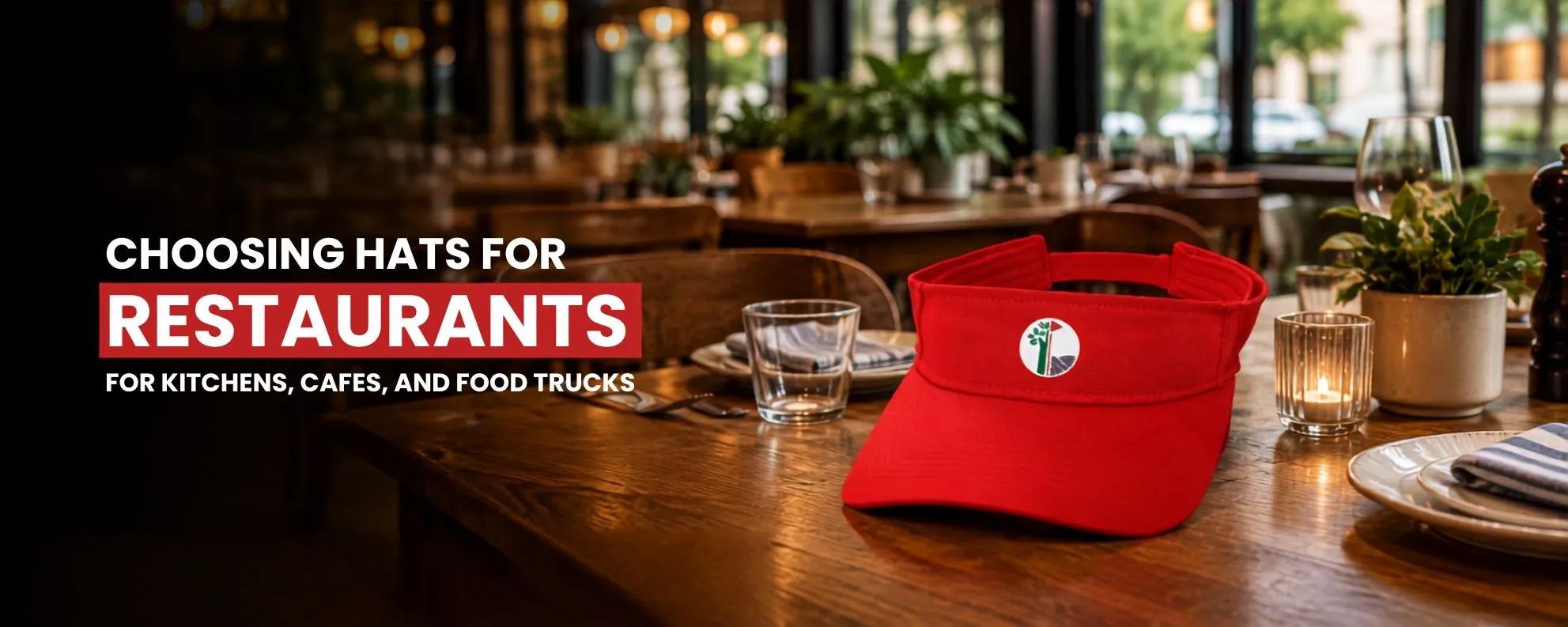
Headwear is a small but functional part of a food service uniform. Hats for restaurants keep hair away from food, absorb sweat during long shifts, and signal a certain level of order in a busy kitchen. Choosing the right style depends on the type of establishment, the pace of work, and local health codes. This article looks at the main categories, the materials commonly used, and the factors that affect comfort and compliance.
Why Headwear Matters in Food Service
Most health departments require some form of hair restraint in areas where food is prepared or served. This rule exists to reduce the risk of hair or sweat contaminating food. A hat also helps staff stay comfortable near ovens, grills, and fryers, where heat and steam are constant. In front-of-house roles, a hat can also serve as part of a uniform, giving customers a quick visual cue about who works there.
Beyond compliance, headwear affects how staff perform physically. A hat that is too tight can cause headaches during a long shift. One that is too loose may slip and require frequent adjustment, which is not ideal when hands need to stay clean. These practical concerns are part of why selecting the right headwear is worth some thought rather than being treated as an afterthought.
Types of Hats for Restaurants
There is no single standard style. Different roles and kitchen layouts call for different headwear.
Chef Hats and Toques
The tall white toque is the most recognized symbol of a professional kitchen. Traditional versions are pleated and made of cotton or a cotton blend. Modern kitchens often use shorter, less structured versions that are easier to wash and store. Some restaurants reserve the tall toque for head chefs or sous chefs, while line cooks wear simpler caps.
Skull Caps and Beanies
Skull caps are close-fitting and cover the full head without adding height. They are common in fast-paced kitchens because they stay in place during physical work and do not interfere with tall equipment like range hoods. Beanies made from a light knit fabric serve a similar purpose in cooler kitchen environments.
Baseball Caps and Trucker Hats
Baseball style caps with a front panel and adjustable back strap are common in food trucks and quick service restaurants. They offer some shade for staff working near open windows and are easy to brand with a logo. Trucker hats, which use a mesh back panel, add airflow for staff working in warm conditions.
Visors
Visors cover the forehead without enclosing the top of the head. They work well for staff who spend most of their shift at a register or counter rather than near heat sources. Because they leave the crown open, visors are generally less effective at containing hair and are used mainly in front-of-house settings with lighter hair restraint requirements.
Materials and Fabric Choices
Cotton remains the most common material for hats for restaurants because it is breathable and can be washed at high temperatures, which helps meet sanitation rules. Polyester blends are also used, particularly for caps that need to hold their shape after repeated washing. In hot kitchens, moisture-wicking fabrics reduce sweat buildup and keep the hat from becoming heavy during a shift.
Color is a practical factor as well. White and light colored hats make it easier to spot stains and dirt, which supports regular laundering. Darker colors are more common in front-of-house roles where branding and appearance matter more than visible cleanliness checks.
Hygiene and Food Safety Standards
When sourcing hats for restaurants, consistency across sizes and batches is a practical concern for any operation ordering multiple units. Suppliers that specialize in food service headwear, such as Montauk Hat, typically offer a range of styles built for kitchen and front-of-house use, including options in different fabrics and fits. Reviewing sample units before a full order helps confirm that the fabric, stitching, and sizing match what a kitchen or cafe actually needs day to day.
Buyers should also consider lead times and reorder policies, particularly for restaurants that go through headwear often due to staff turnover or heavy laundering schedules. A supplier that can restock specific sizes and colors on a predictable schedule reduces the chance of staff going without proper headwear during busy periods.
Hats for Different Settings
The right choice changes depending on where the work happens.
Commercial Kitchens
Kitchens with grills, fryers, and ovens generate heat and grease in the air. Skull caps and short toques are common here because they sit close to the head and do not catch on overhead equipment. Cotton remains the preferred material for its breathability and washability.
Cafes and Coffee Shops
Cafe staff often work closer to customers, so appearance and branding play a larger role. A simple baseball cap or a soft cap with a cafe logo is common. Since cafe work involves less direct heat than a full kitchen, comfort and style tend to carry more weight than heat resistance.
Food Trucks
Food trucks combine cooking and customer service in a small space. Staff often move between prep stations and service windows within seconds. Lightweight caps or trucker-style hats with mesh backing suit this pace, since they stay secure during quick movement and allow some airflow in a compact, often warm interior.
Fit, Comfort, and Durability
A hat that fits well should stay in place without needing constant adjustment. Adjustable straps, whether snapback, hook and loop, or elastic, allow one hat style to fit a range of head sizes, which is useful for restaurants ordering uniforms for a full staff. Fit also affects how long a hat lasts. A cap that is stretched too far to fit a larger head will wear out faster at the seams.
Durability depends on both material and construction. Stitched brims and reinforced seams hold up better under repeated washing than glued or lightly stitched alternatives. Restaurants that go through hats quickly, due to heavy kitchen conditions, may find it worthwhile to compare stitching quality across suppliers before placing a large order.
Choosing the Right Supplier
When sourcing hats for restaurants, consistency across sizes and batches is a practical concern for any operation ordering multiple units. Suppliers that specialize in food service headwear, such as Montauk Hat, typically offer a range of styles built for kitchen and front-of-house use, including options in different fabrics and fits. Reviewing sample units before a full order helps confirm that the fabric, stitching, and sizing match what a kitchen or cafe actually needs day to day.
Buyers should also consider lead times and reorder policies, particularly for restaurants that go through headwear often due to staff turnover or heavy laundering schedules. A supplier that can restock specific sizes and colors on a predictable schedule reduces the chance of staff going without proper headwear during busy periods.
Conclusion
Selecting hats for restaurants involves more than picking a style that looks the part. Health code requirements, kitchen heat, fabric choice, and fit all play a role in whether a hat holds up during daily use. Commercial kitchens tend to favor close-fitting caps for safety and heat management, cafes often lean toward branded caps for appearance, and food trucks benefit from lightweight, breathable designs suited to tight quarters. Taking these factors into account before ordering helps restaurants outfit their staff with headwear that meets both regulatory and practical needs.