
Brand visibility depends on how often a target audience sees a company's name, logo, or colors in their daily environment. Businesses spend significant resources on digital campaigns and printed materials, but physical products worn in public generate brand impressions without any ongoing cost. Custom snapback hats sit in this category. Once produced and distributed, they carry a brand into everyday settings that paid advertising rarely reaches.
This article examines why snapback hats work well for brand visibility, what design and construction factors affect recognition, and how different industries use them to build familiarity with their audience over time.
What Defines a Snapback Hat
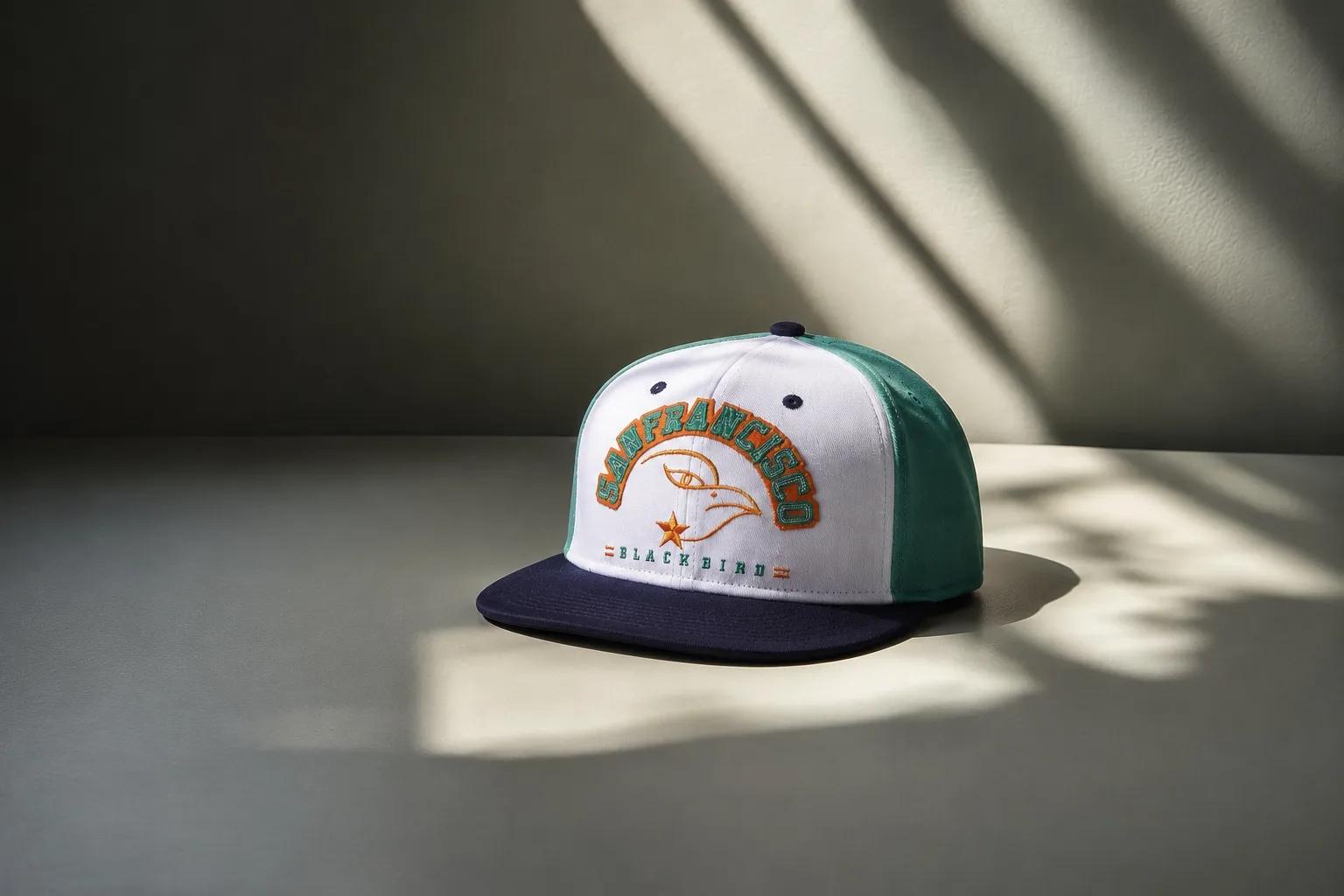
A snapback hat is a six-panel structured cap with a flat brim and an adjustable plastic snap closure at the back. The snap closure allows the hat to fit a wide range of head sizes without requiring multiple size options. This is one reason the style is commonly chosen for team uniforms, branded merchandise, and bulk promotional programs.
The front two panels are typically made from a stiffer fabric or foam-backed material, which keeps the front face flat and upright. This flat front panel is the primary location for brand logos, text, or artwork. It provides a clean, stable surface that holds embroidery and printed designs well.
The flat brim distinguishes snapbacks from curved-brim baseball caps. It appeals to a younger demographic and to lifestyle and streetwear audiences in particular, though the style has broad appeal across age groups depending on the brand context.
Why Custom Snapback Hats Generate Brand Impressions
Placement at Eye Level
The front panel of a snapback hat sits near eye level on the wearer. During a face-to-face conversation, other people naturally look toward the head and face area. A logo placed on the front panel receives direct visual attention without requiring the observer to search for it. This is a structural advantage over branded items like bags or shirts, where the logo may face away or remain below the line of sight.
When a wearer moves through public spaces such as commutes, markets, gyms, or outdoor events, the logo travels with them. Each person who sees the hat receives a brand impression. If many people wear the same hat in the same location, the effect compounds.
Durability Extends the Impression Window
Well-constructed custom snapback hats last for several years under regular use. A hat that gets worn two to three times per week over two years generates thousands of individual brand impressions from a single unit. The production cost is fixed. The impressions are not.
This is a meaningful difference from digital advertising, where the brand disappears the moment a campaign ends or a budget runs out. A physical hat continues working as long as someone wears it.
Voluntary Wear Signals Brand Affiliation
People wear hats they like. When a branded snapback hat has genuine design appeal beyond the logo, recipients choose to wear it in personal settings, not just at work or at branded events. That choice communicates something to the people around them. It places the brand in a context of personal identity rather than obligation.
This is harder to achieve with items that people use but do not display, such as branded pens or USB drives. A hat worn by choice is a more credible brand signal than one worn because it was required.
Design Factors That Affect Brand Recognition
Logo Clarity and Size
A logo that reads clearly from a conversational distance of three to six feet registers faster than one that requires close inspection. The front panel of a snapback hat typically measures four to five inches across, which is enough space for most logos at a legible scale. Logos with too many fine details, thin lines, or small text may lose clarity at embroidery or print scale. Simplified versions of complex logos often perform better on hats.
The most common logo placement is front center, which is where the eye lands first. Secondary placements on the side panels or the back strap area are used for additional information, such as a website, tagline, or year of establishment, but these positions get far less attention than the front.
Color and Brand Consistency
Color is one of the fastest recognition cues a brand has. When the hat's color scheme aligns with the brand's established palette, recognition transfers across contexts. A consumer who has seen a brand's red and white logo on packaging, signage, or a website will make that connection when they see the same colors on a hat, even before reading the name.
Ordering custom snapback hats in brand-consistent colors rather than default stock options strengthens this connection. It also makes the hat look like an intentional part of the brand's visual identity rather than a generic promotional item.
Embroidery vs. Printing
Most logo applications on snapback hats fall into two categories: embroidery and printing. Embroidery stitches the design directly into the fabric using thread. It produces a textured, raised finish that holds up through washing and extended wear. It works best with clean, moderately detailed designs and a limited number of colors.
Printing methods such as screen printing or heat transfer can handle more color complexity and finer detail. These work better on fabric-front panels than on foam-front panels. The durability of printed applications depends on the quality of the ink or transfer material and how the hat is cared for over time.
Choosing the right method based on the logo's design and the intended use of the hat determines how the finished product looks after months of regular wear.
Industries That Use Custom Snapback Hats for Brand Visibility
Custom snapback hats appear across many sectors, each with a different reason for choosing the style.
Retail and Apparel Brands: Fashion and lifestyle companies frequently produce snapback hats as retail merchandise. The hat carries the brand's logo and becomes a product that customers buy and wear voluntarily. This turns the customer into a visible brand representative without any additional effort from the company.
Food and Beverage Companies: Restaurants, breweries, and coffee brands use branded hats as part of staff uniforms and as merchandise for sale to customers. The hat is visible behind the counter, at events, and in public spaces where staff members travel before and after shifts.
Sports Teams and Gyms: Athletic organizations and fitness businesses use snapback hats for team gear, coaching staff uniforms, and merchandise. The flat brim style is well established in sports culture, making it a natural fit for athletic brand applications.
Corporate and Event Marketing: Companies use custom snapback hats as event giveaways, conference merchandise, and team-building gear. Employees who wear them outside of work settings carry the brand into new environments.
Music and Entertainment: Labels, venues, and touring acts produce branded hats as merchandise. Fans who buy and wear them extend the brand's reach into everyday public settings at no additional cost to the brand.
Wholesale Snapback Hats and Scaled Distribution
For organizations that need branded headwear in volume, wholesale snapback hats offer a practical path. Ordering in bulk reduces the per-unit production cost and ensures consistency across the full batch. Every hat from the same wholesale run shares the same materials, construction, and finish, which matters for programs where visual uniformity is required.
Wholesale quantities also make it feasible to distribute hats to a large employee base, event audience, or customer group without scaling the per-unit cost proportionally. This is why branded hat programs are common in franchises, large retail chains, and annual events that produce new merchandise each year.
Montauk Hat as a Reference for Quality Snapback Options
For organizations sourcing custom snapback hats, Montauk Hat offers structured styles built for logo applications. Their snapback options include fabric-front and foam-front constructions with flat brims and adjustable snap closures, available in a range of colorways suited to brand-specific requirements. Companies looking for consistent construction across large runs often reference established headwear suppliers like Montauk Hat when evaluating material quality and decoration compatibility before committing to an order.
Practical Notes on Getting Results from Branded Hats
A branded hat program works best when the hat is actually worn. That sounds straightforward, but it is worth considering at the ordering stage. A hat that fits well, looks clean, and has a design people find appealing will get more wear than one that looks like a generic giveaway. The construction quality, color selection, and logo execution all affect whether the hat ends up on someone's head or in a drawer.
Ordering samples before a full production run gives buyers the opportunity to evaluate the hat in person before committing. This step reduces the risk of receiving a large order that does not match expectations for material weight, brim stiffness, or color accuracy.
Lead times for decorated wholesale snapback hats typically run from one to three weeks, depending on order size and the supplier's current schedule. Programs tied to specific dates should build in enough time for production and shipping without cutting close to the deadline.
Conclusion
Custom snapback hats generate brand visibility through repeated, voluntary wear in everyday public settings. The flat front panel provides a stable surface for logo display at a naturally visible position. Durable construction extends the useful life of each unit well beyond what most promotional products offer. When design choices align with a brand's visual identity and the hat is built well enough to be worn by choice, it functions as a reliable and ongoing source of brand impressions across the environments where the audience actually spends time.